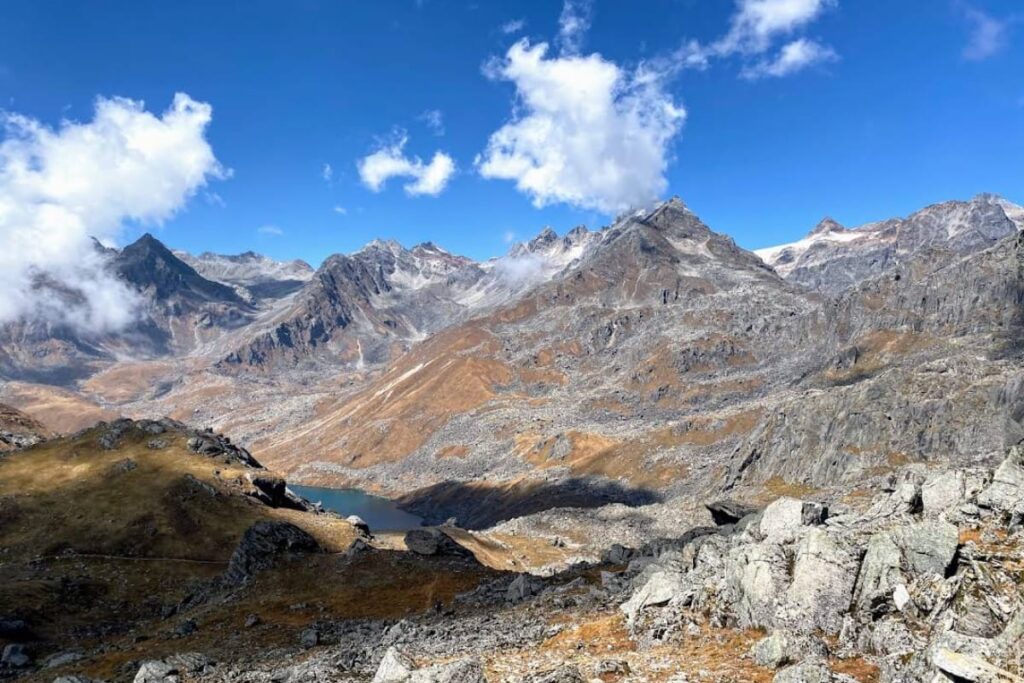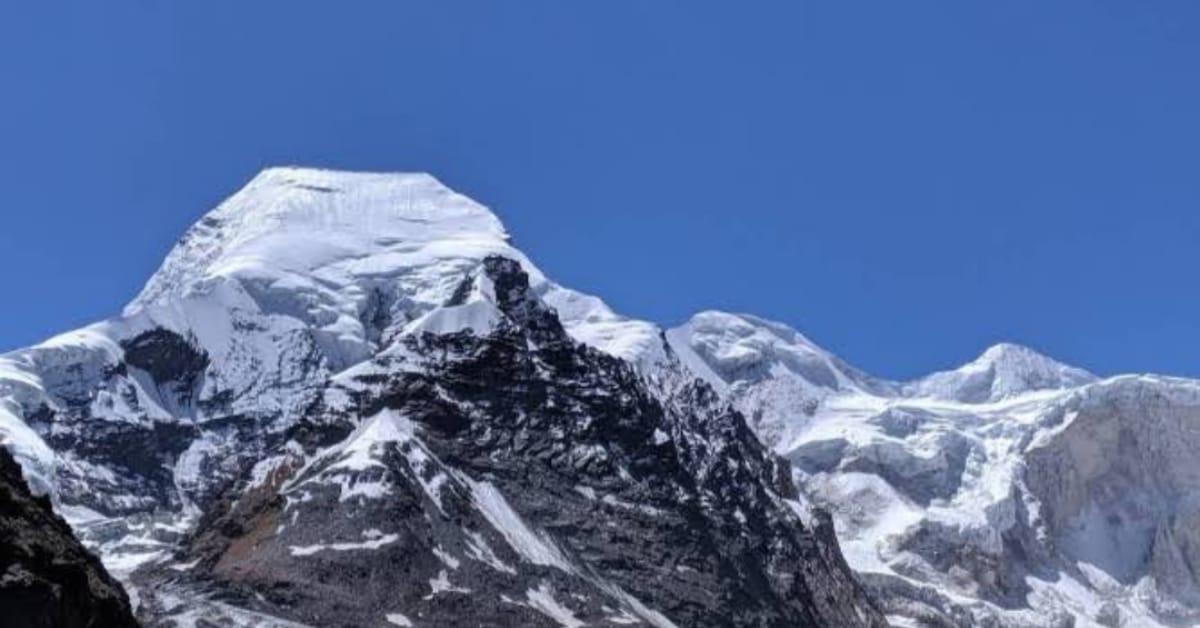
The Satopanth Peak Expedition in Uttarakhand is one of the most rewarding high-altitude mountaineering experiences in India, standing tall at 7075 meters in the Garhwal Himalayas. Known for its technical terrain, glacier crossings, and thrilling summit ridge, this expedition is ideal for experienced trekkers and climbers aiming to step into the world of 7000m peaks. The route passes through iconic locations like Gomukh, Tapovan, and Nandanvan, offering breathtaking views of Mt. Shivling and the Bhagirathi group. With its perfect blend of adventure, spirituality, and raw Himalayan beauty, Satopanth serves as an excellent training ground for those preparing for higher expeditions like Mount Everest.
Satopanth Peak Expedition
The Satopanth Peak Expedition in Uttarakhand is a challenging 7075m technical climb in the Garhwal Himalayas, ideal for experienced trekkers and mountaineers. Known for its glacier terrain, knife ridges, and stunning views of Shivling and Bhagirathi peaks, it is perfect for preparing for higher Himalayan expeditions.
Quick Facts
| Feature | Details |
|---|---|
| Trek Name | Satopanth Peak Expedition |
| Location | Uttarkashi, Uttarakhand |
| Height | 7075 meters |
| Duration | 12–14 Days |
| Difficulty | Technical / Challenging |
| Best Time | May–June & September–October |
| Base Camp | Vasuki Tal |
| Region | Garhwal Himalayas |
| Starting Point | Gangotri |
| Experience Required | Advanced |
Expedition Overview
The Satopanth Peak Expedition is one of the most prestigious high-altitude expeditions in Uttarakhand. Standing tall at 7075 meters in the Garhwal Himalayas, this peak offers a perfect combination of altitude, technical difficulty, and raw Himalayan beauty.
The journey begins from Gangotri, a sacred town and gateway to some of the most iconic Himalayan expeditions. As you progress, the trail passes through Gomukh, Tapovan, Nandanvan, and Vasuki Tal, offering breathtaking views of Mt. Shivling, Bhagirathi peaks, and Thalay Sagar.
What makes Satopanth unique is its technical climbing sections, including glacier traversal, crevasses, and the famous knife ridge before the summit. This expedition is not just about trekking but about pushing your limits in extreme conditions.
For mountaineers aiming for 8000m peaks like Everest, Satopanth acts as a perfect training ground, providing real exposure to high-altitude mountaineering.
Why This Peak Summit Expedition In Uttarakhand is Special
- Second highest peak in Gangotri region
- Ideal preparation for Everest-level expeditions
- Technical climb with glacier & ridge sections
- Stunning views of Shivling & Bhagirathi peaks
- Spiritual journey via Gangotri & Gomukh
- Less crowded & raw Himalayan experience
- High-altitude mountaineering training opportunity
- Combination of trekking + technical climbing
Satopanth Peak Expedition Itinerary
- Day 1&2 – Arrival & Acclimatization At Gangotri
- Day 3&4 – Trek To Bhojawasa & Nandavan
- Day 5,6 & 7- Trek To Vasuki tal & Acclimazation
- Day 8-17 – Expedition
- Day 18-20 – Back To Gangotri
Difficulty Level – Detailed
The Satopanth Peak Expedition difficulty is classified as technical and highly challenging. This is not a beginner trek.
Fitness Level Required:
- Excellent stamina
- Prior high-altitude experience (6000m+)
- Strong mental endurance
Technical Skills Needed:
- Use of crampons & ice axe
- Rope fixing & jumar climbing
- Glacier navigation
Who Should Do This Trek:
- Experienced trekkers
- Mountaineering course holders
- Expedition-level climbers
Who Should Avoid:
- Beginners
- People without altitude experience
- Those with health issues
In short, Satopanth is not just a trek—it’s a full-fledged mountaineering expedition requiring skill, strength, and experience.
Best Time To Visit
The best time for Satopanth Peak expedition is May–June and September–October, when weather stability and visibility are optimal.
Summer (May–June)
- Best climbing conditions
- Stable weather
- Ideal for summit attempts
Monsoon (July–August)
- Not recommended
- Landslides & risky trails
Autumn (September–October)
- Clear skies
- Cold but stable weather
Winter (November–April)
- Extremely harsh
- Not suitable for expeditions
Route & Trail Details
The Satopanth expedition follows one of the most scenic yet demanding routes in Uttarakhand:
Gangotri → Gomukh → Tapovan → Nandanvan → Vasuki Tal → Summit
Terrain Includes:
- River trails
- Glacier crossings
- Moraine fields
- Snow slopes
- Knife-edge ridges
The route combines spiritual landscapes with extreme mountaineering terrain, making it one of the most diverse expeditions in India.
How To Reach
To reach the Satopanth Peak base camp, travelers must first arrive at Gangotri in Uttarakhand. The nearest airport is Dehradun, while Haridwar and Rishikesh are the closest railway stations. From there, a scenic road journey via Uttarkashi leads to Gangotri, which serves as the starting point of the expedition.
By Air:
- Nearest Airport: Dehradun (Jolly Grant)
By Rail:
- Nearest Railway Station: Haridwar / Rishikesh
By Road:
- Drive to Gangotri via Uttarkashi
From Delhi:
- Overnight journey to Uttarkashi
- Then drive to Gangotri
Satopanth Peak Weather & Temperature Guide
The weather on Satopanth Peak varies significantly with altitude. During the expedition season, daytime temperatures range from 5°C to -5°C, while nighttime temperatures can drop below -15°C to -25°C near higher camps. Strong winds and sudden weather changes make proper gear and acclimatization essential.
Himalayan Peak Views During Satopanth Expedition
The Satopanth expedition offers breathtaking views of iconic Himalayan peaks such as Mt. Shivling, Bhagirathi I, II & III, and Thalay Sagar. These towering peaks, combined with the stunning Gangotri Glacier, create one of the most visually rewarding high-altitude experiences in Uttarakhand.
Technical Climbing Experience on Satopanth Peak
The Satopanth Peak climb is a true mountaineering challenge that includes ice climbing, fixed rope sections, glacier navigation, and knife ridge traversal. It provides real-time exposure to high-altitude technical climbing, making it an ideal training ground for future 8000m expeditions.
Acclimatization & High-Altitude Survival Strategy
Proper acclimatization is crucial for the Satopanth expedition, as climbers spend multiple days above 4000 meters. The itinerary includes acclimatization days, load ferry, and gradual altitude gain to reduce the risk of AMS (Acute Mountain Sickness) and ensure a safe summit attempt.
Flora, Fauna & Ecosystem of Gangotri National Park
The expedition passes through Gangotri National Park, home to rare Himalayan wildlife like blue sheep (bharal), musk deer, and Himalayan monal. The lower regions feature pine and birch forests, which gradually transition into alpine and glacial landscapes.
Why Satopanth Peak is the Best 7000m Expedition in India
Satopanth Peak is considered one of the best 7000m expedition peaks in India due to its perfect blend of altitude, technical difficulty, and scenic beauty. It serves as a stepping stone for mountaineers aiming for higher peaks like Everest, offering real expedition experience in the Garhwal Himalayas.
Spiritual Significance of Satopanth & Gangotri Region
The journey begins from Gangotri, one of the holiest Char Dham sites, and passes through Gomukh, the origin of the Ganga River. This adds a deep spiritual dimension to the expedition, making it not just an adventure but also a meaningful Himalayan journey.
Book Satopanth Peak Expedition with Danu Adventure
Ready to step into the world of high-altitude mountaineering?
At Danu Adventure, we specialize in Himalayan expeditions with:
- Expert local guides
- High success summit ratio
- Safety-first approach
- Personalized support
Satopanth Peak Expedition Highlights
- Climb one of the most technical 7000m peaks in the Garhwal Himalayas with real glacier challenges.
- Follow the iconic route via Gomukh, Tapovan, Nandanvan, and Vasuki Tal base camp.
- Witness breathtaking views of Mt. Shivling, Bhagirathi peaks, and Thalay Sagar throughout the expedition.
- Train on crevasse navigation, rope fixing, and ice climbing techniques during the expedition.
- Conquer the thrilling knife ridge section before the Satopanth summit push.
- Ideal expedition for those preparing for Mount Everest and other 8000m peaks.
- Explore the Gangotri National Park region, rich in alpine flora and rare Himalayan wildlife.
- Experience a perfect mix of spiritual journey (Gangotri & Gomukh) and technical mountaineering.
- Learn and apply advanced mountaineering skills in real Himalayan conditions.
- Best suited for climbers looking for a high-altitude expedition with technical exposure.