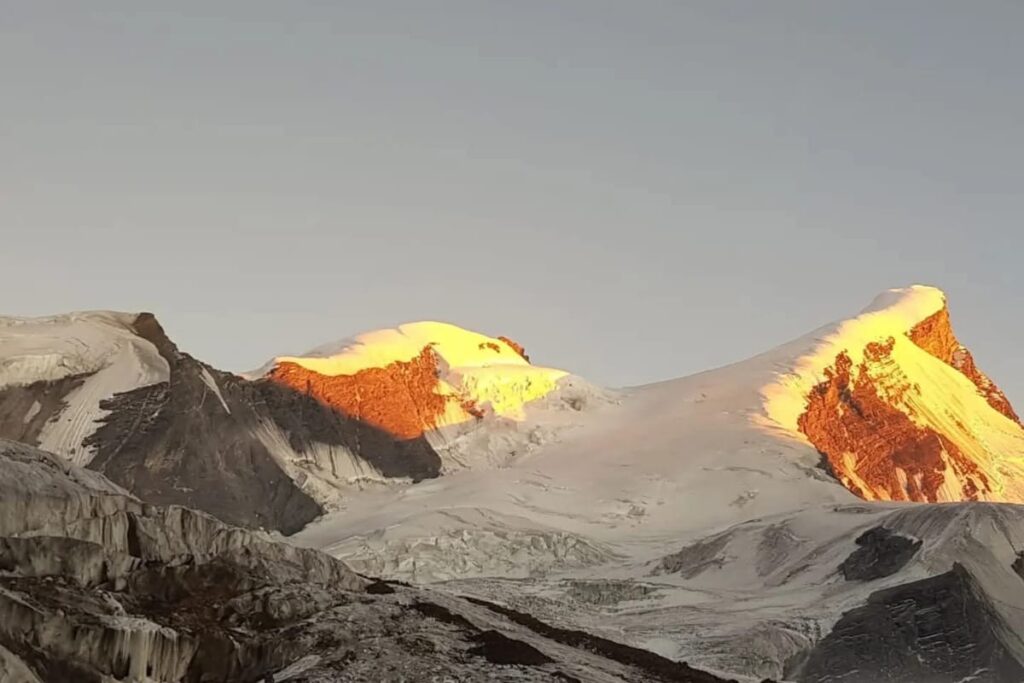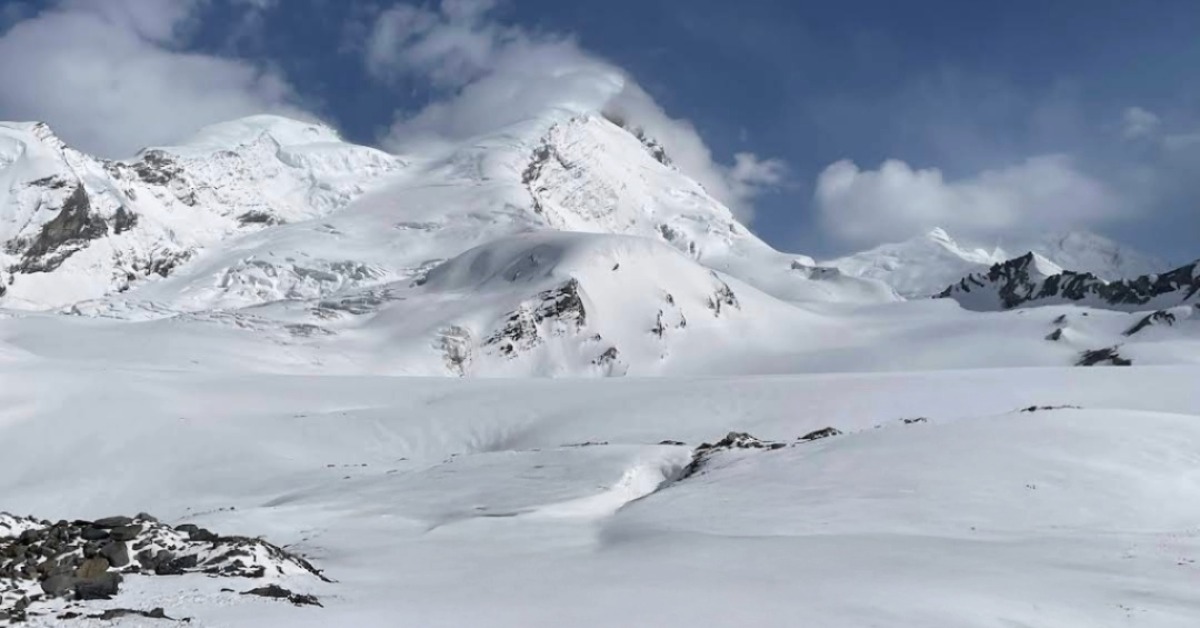
The Black Peak Expedition in Uttarakhand, also known as the Kala Nag Expedition, is one of the most sought-after high-altitude mountaineering adventures in the Garhwal Himalayas. Standing tall at 6,387 meters in the Uttarkashi region, this expedition offers a perfect blend of technical climbing, glacier traverses, and raw Himalayan wilderness.
Starting from the scenic village of Sankri, the route passes through dense forests, alpine meadows, and the pristine landscapes of Govind National Park before reaching the base camp. Ideal for experienced trekkers and aspiring mountaineers, the expedition includes snow climbing, ice sections, and a demanding summit push with breathtaking views of Swargarohini and Bandarpoonch peaks.
If you are searching for a challenging Himalayan expedition with real mountaineering experience, the Black Peak Expedition is a dream climb that tests your limits and rewards you with unforgettable summit moments.
Black Peak Expedition
The Black Peak Expedition in Uttarakhand is a high-altitude mountaineering climb reaching 6,387 meters in the Garhwal Himalayas. Known as Kala Nag, it offers glacier crossings, technical ascent, and stunning views of Swargarohini and Bandarpoonch, best attempted from May to June and September to October.
Quick Facts
| Category | Details |
|---|---|
| Trek Name | Black Peak Expedition (Kala Nag) |
| Location | Uttarkashi, Uttarakhand |
| Region | Garhwal Himalayas |
| Altitude | 6,387 meters |
| Difficulty | Technical / Difficult |
| Duration | 12–16 Days |
| Starting Point | Sankri |
| Best Time | May–June, Sep–Oct |
| Base Camp | 4,000 meters |
| Trek Type | Expedition / Mountaineering |
Expedition Overview
The Black Peak Expedition, also called Kala Nag Expedition, is one of the most prestigious mountaineering expeditions in the Garhwal Himalayas of Uttarakhand. Rising to an impressive altitude of 6,387 meters, it stands as the highest peak in the Bandarpoonch massif and attracts climbers from across India and beyond.
Located in the remote region of Uttarakhand, this expedition is not just a trek — it is a complete mountaineering experience. The journey starts from Sankri, passing through dense forests, alpine meadows, and glacier terrain inside Govind National Park.
From scenic landscapes to technical challenges like ice climbing, rope fixing, and glacier crossings, Black Peak delivers everything an adventurer dreams of. The summit push is intense but rewarding, offering panoramic views of peaks like Swargarohini and Bandarpoonch.
Why Black Peak Expedition is Special
- Highest peak in Bandarpoonch massif
- True technical mountaineering experience
- Glacier crossings and snow climbing
- Remote Himalayan wilderness
- Breathtaking summit views
- Ideal for experienced trekkers upgrading to expeditions
- Less crowded compared to other expeditions
- Rich biodiversity in Govind National Park
Short Day-wise Itinerary
- Day 1: Dehradun to Sankri (1,950m) – 200 km
- Day 2: Sankri to Taluka – Trek to Seema (2,600m) – 12 km
- Day 3: Seema to Devsu Bugyal (3,000m) – 6 km
- Day 4: Devsu Bugyal to Ruinsara Tal (3,500m) – 5 km
- Day 5: Acclimatization Day
- Day 6: Ruinsara to Kyarkoti Base Camp (~4,000m)
- Day 7–10: Load ferry & acclimatization
- Day 11–13: Summit attempt (6,387m)
- Day 14–16: Return journey
Difficulty Level
The Black Peak Expedition difficulty level is classified as technical and highly challenging. This is not suitable for beginners.
It requires:
- Prior trekking experience (above 4,000m)
- Basic mountaineering skills
- High stamina and endurance
You will face:
- Glacier walking
- Ice climbing
- Steep snow slopes
- Extreme weather
Who should do it?
- Experienced trekkers
- Mountaineering course holders
Who should avoid it?
- Beginners
- People with low fitness
- Anyone without high-altitude exposure
In simple terms, this expedition is for those who want to step into real Himalayan mountaineering.
Best Time To Visit
The best time for Black Peak Expedition is May–June and September–October for safe and successful summit attempts.
Summer (May–June)
- Best climbing conditions
- Stable snow
- Clear summit windows
Monsoon (July–August)
- Not recommended
- Landslides and heavy rain
Autumn (September–October)
- Clear skies
- Best visibility
- Cold but stable
Winter (Nov–April)
- Extreme conditions
- Not suitable for expedition
Route & Trail Details
The trail begins from Sankri and passes through forests, rivers, and alpine meadows before reaching glacier zones.
This route is a perfect mix of trekking + mountaineering terrain, making it highly rewarding.
Trail highlights:
- Dense pine forests
- Devsu Bugyal meadows
- Ruinsara Tal lake
- Glacier terrain near base camp
Terrain includes:
- Rocky trails
- Snow slopes
- Ice sections
How To Reach
The journey starts from Dehradun, which is well connected by road, rail, and air. From there, you travel to Sankri (approx. 10–12 hours drive), which serves as the base village.
By Air
Nearest airport: Jolly Grant Airport
By Train
Nearest railway station: Dehradun Railway Station
By Road
Drive from Dehradun to Sankri (10–12 hours)
From Sankri, the trek begins toward Black Peak base camp.
Black Peak Expedition Cost Per Person – Complete Package Breakdown
The Black Peak Expedition cost per person typically ranges between ₹75,000 to ₹95,000, depending on services, expedition duration, and technical support. If you’re searching for “Black Peak Expedition package India”, most packages include guides, permits, accommodation, and meals during the trek.
Weather and Temperature During Black Peak Expedition
The weather on Black Peak Expedition varies significantly with altitude. At base camp, temperatures range from -2°C to 10°C, while summit temperatures can drop below -15°C to -20°C.
For those searching “Black Peak temperature in different months”:
- Summer: Cold but stable
- Autumn: Clear and colder
- Night: Freezing conditions
Proper layering and high-quality gear are essential for survival and comfort.
Himalayan Peak Views from Black Peak Summit
One of the biggest highlights of the expedition is the panoramic Himalayan views from Black Peak summit. Climbers are rewarded with breathtaking sights of:
- Swargarohini peaks
- Bandarpoonch massif
- Gangotri range
Why Black Peak Expedition is a Dream Climb for Mountaineers
The Black Peak Expedition in the Garhwal Himalayas is not just a climb — it’s a complete mountaineering journey. It combines technical challenges, remote trails, and unmatched Himalayan beauty, making it one of the most rewarding expeditions in India.
Ready to Conquer Black Peak?
Join Us At Danu Adventure — plan with our trusted local trekking experts from the regions.
Experienced guides
High summit success rate
Local support team
Safety-first approach
Black Peak Expedition Highlights
- Conquer the Black Peak Expedition (Kala Nag 6,387m), the highest peak in the Bandarpoonch massif of Uttarakhand.
- Experience one of the best high-altitude mountaineering expeditions in Uttarakhand with glacier crossings and technical climbs.
- Follow the scenic Sankri to Black Peak base camp route, passing through forests, meadows, and alpine landscapes.
- Witness breathtaking summit views of Swargarohini and Bandarpoonch peaks from the top of Black Peak.
- A rare opportunity to climb a 6000m+ peak in Uttarakhand with real mountaineering exposure.
- Ideal for adventure seekers looking for less crowded Himalayan expeditions with high success potential.